



Restaurant design: kitchen and front-of-house flow

A restaurant is two businesses sharing one building: a hospitality experience out front and a high-pressure production operation in back. The design of how those two worlds connect, the flow between front-of-house and back-of-house, quietly determines speed of service, labor cost, food quality, and whether guests want to come back.
Here is how we think about the relationship between the kitchen and the dining room, and why getting the flow right matters more than almost any single design choice.
Back-of-house: designed around the line
A kitchen is choreography under pressure. Every step a cook takes that is not necessary is time and money lost during a rush. We design the back-of-house around the actual workflow, from delivery and storage to prep, the line, plating, and dish, so the team moves efficiently and the kitchen keeps pace on the busiest night.
Poor kitchen flow shows up everywhere: slower tickets, higher labor cost, frustrated staff, and inconsistent food. Good flow is invisible to the guest but felt in every plate that arrives hot and on time.
The pass: where the two worlds meet
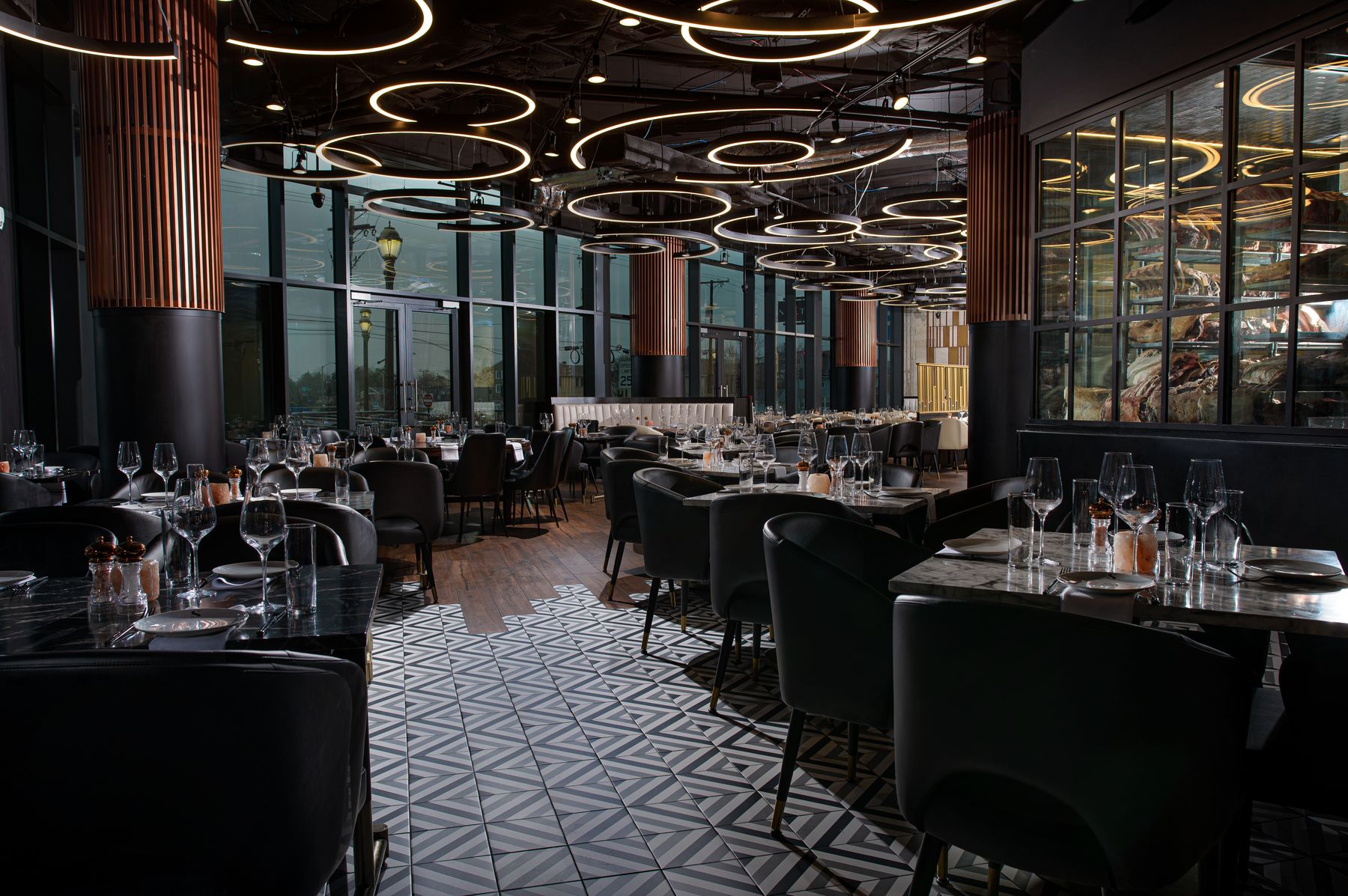
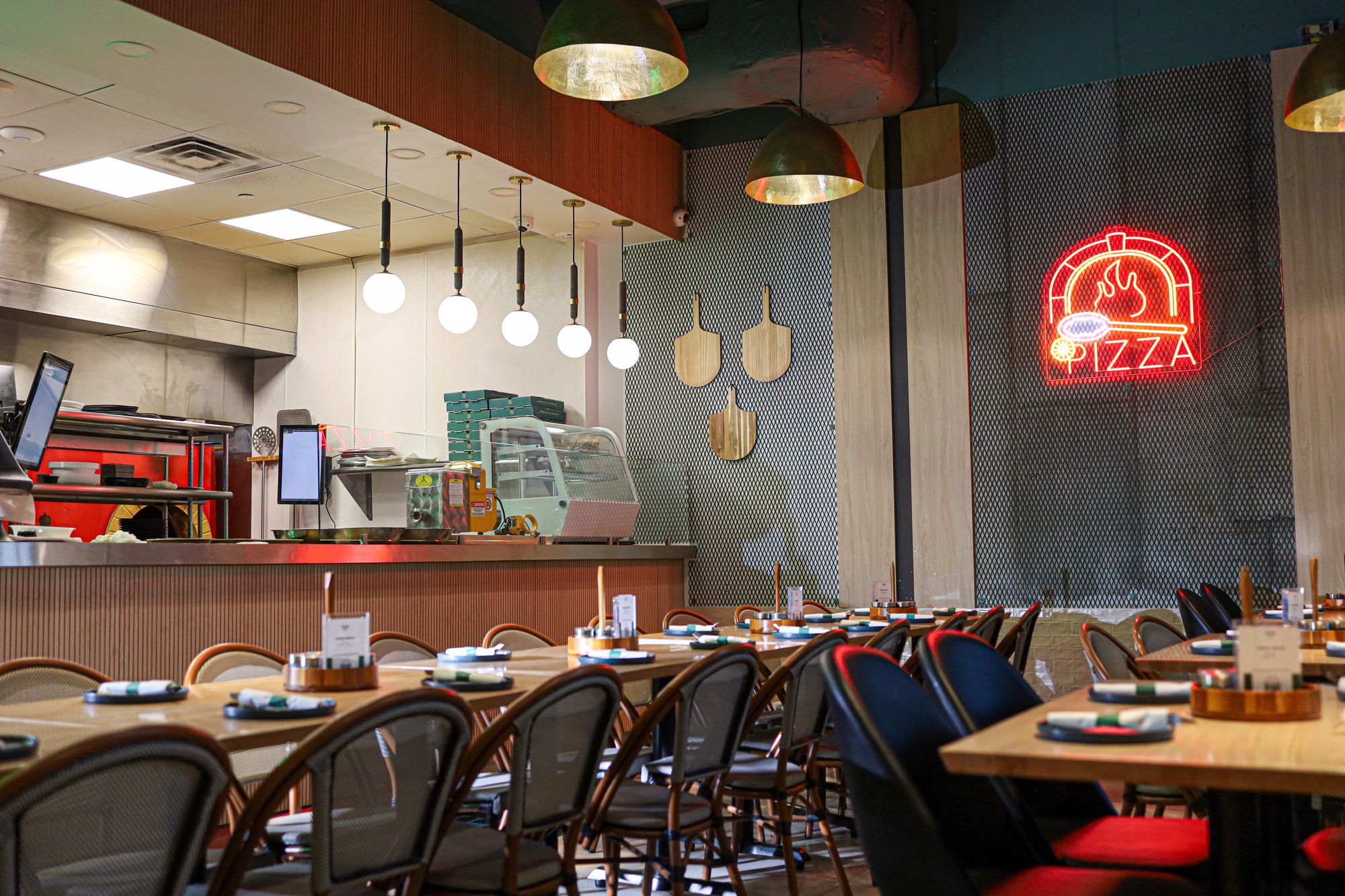
The connection between kitchen and dining room, the pass and the server circulation around it, is the most important seam in the restaurant. We design it so food moves from the line to the table quickly and cleanly, servers do not collide, and the kitchen noise and heat stay where they belong. A well-designed transition protects both the food and the guest experience.
Front-of-house: experience and turns
The dining room has to do two things at once: feel like an experience worth choosing, and turn tables efficiently enough to make the economics work. We design seating layouts that balance intimacy with capacity, circulation that lets servers and guests move without friction, and zones that let one restaurant feel right for a couple, a group, and a solo diner at the bar.
- Back-of-house designed around real workflow to protect speed and labor cost.
- The pass and server circulation designed as the critical kitchen-to-table seam.
- Dining layouts that balance experience with table turns and capacity.
- Acoustics, lighting, and zoning that make the room feel right all night.
Why flow is a financial decision
Restaurant margins are thin, and design either protects them or erodes them. Seats that cannot be served efficiently, a kitchen that bottlenecks at the pass, a layout that needs an extra server, each is a permanent tax on the business. We design the flow so the restaurant runs the way the owner needs it to, and feels the way the guest hopes it will.
That balance of operations and experience is the heart of how we approach restaurant design.

Keep reading
Selected work
Projects from the studio related to this article.

Ready to put these ideas to work?
A quick, no-pressure conversation about your project, your budget, and what it will take to build it right.
Frequently asked
questions.
What is the most important part of restaurant design?
The flow between back-of-house and front-of-house. The kitchen has to be designed around real workflow for speed and labor cost, the pass has to move food cleanly to the table, and the dining room has to balance experience with table turns. That flow drives both the economics and the guest experience.
How does design affect restaurant profitability?
Margins are thin, so design protects or erodes them. Inefficient seating, a kitchen that bottlenecks, or a layout that needs an extra server is a permanent cost. Good flow lets the restaurant run leaner while still feeling like an experience worth returning to.
Have a project like this in mind?