



Designing the office for hybrid work

Hybrid work changed the fundamental question of office design. The office no longer has to hold everyone every day, it has to be worth choosing on the days people could just as easily stay home. That single shift, from a place you have to be to a place you want to be, rewrites how a workplace should be designed.
Here is how office design has to change for hybrid work, and how we design a workplace that earns the commute.
The office has to offer what home cannot
At home, people have quiet and convenience. What they cannot get is energy, spontaneous collaboration, culture, and connection. So the hybrid office should lean into exactly those: spaces for teams to gather and create, social and amenity areas that build culture, and an environment that makes coming in feel worthwhile. We design the office around the reasons people actually come in.

Right-sizing the footprint
Many companies need less space than before, but using less space well is harder than using more. We design smaller footprints that feel generous, not cramped, with flexible, reservable settings instead of assigned desks that sit empty, and shared zones that flex from focus to collaboration as the day changes. Done right, a smaller office feels better than the bigger one it replaced, and costs less to run.
A range of settings, not rows of desks
- Collaboration spaces for the teamwork that draws people in.
- Focus rooms for the deep work open-plan home setups lack.
- Meeting rooms equipped for seamless hybrid calls with remote staff.
- Social and amenity spaces that build the culture people miss at home.
Designing for hybrid meetings
In a hybrid company, most meetings include someone remote, and a room that handles that badly undermines the whole model. We design meeting and collaboration spaces with the layout, acoustics, and technology integration that make hybrid calls feel natural, so in-person and remote colleagues are on equal footing.

Culture is the real reason to come in
The office is the most powerful expression of company culture a team experiences, and culture is the thing hybrid work most erodes. We translate brand and values into the space so that coming in reconnects people to the company and to each other. That connection, more than any perk, is what earns the commute.
Selected work
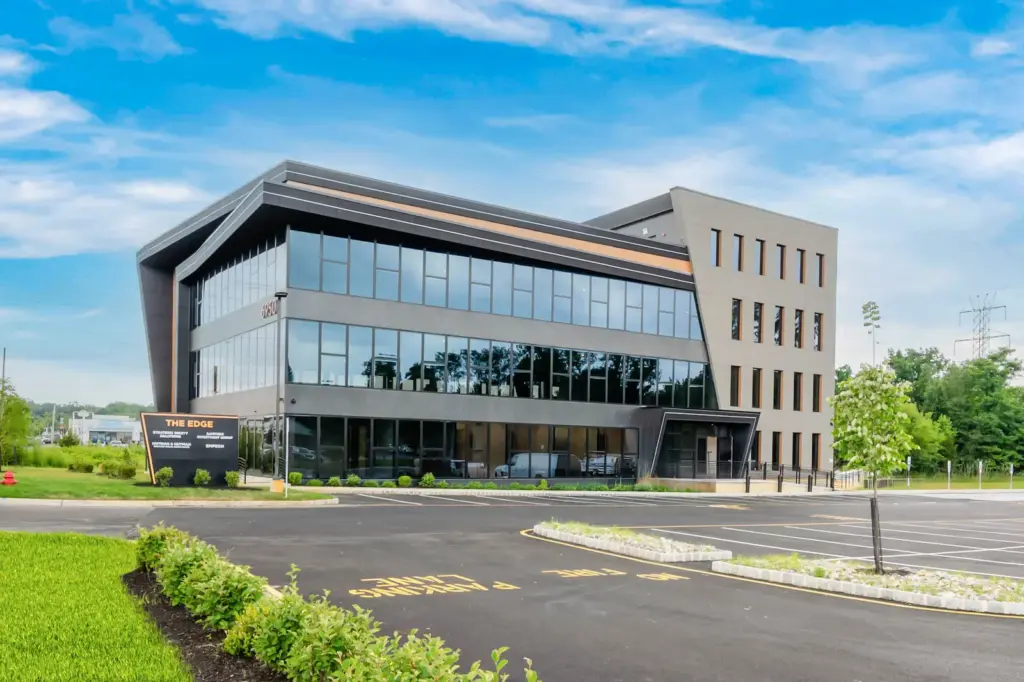
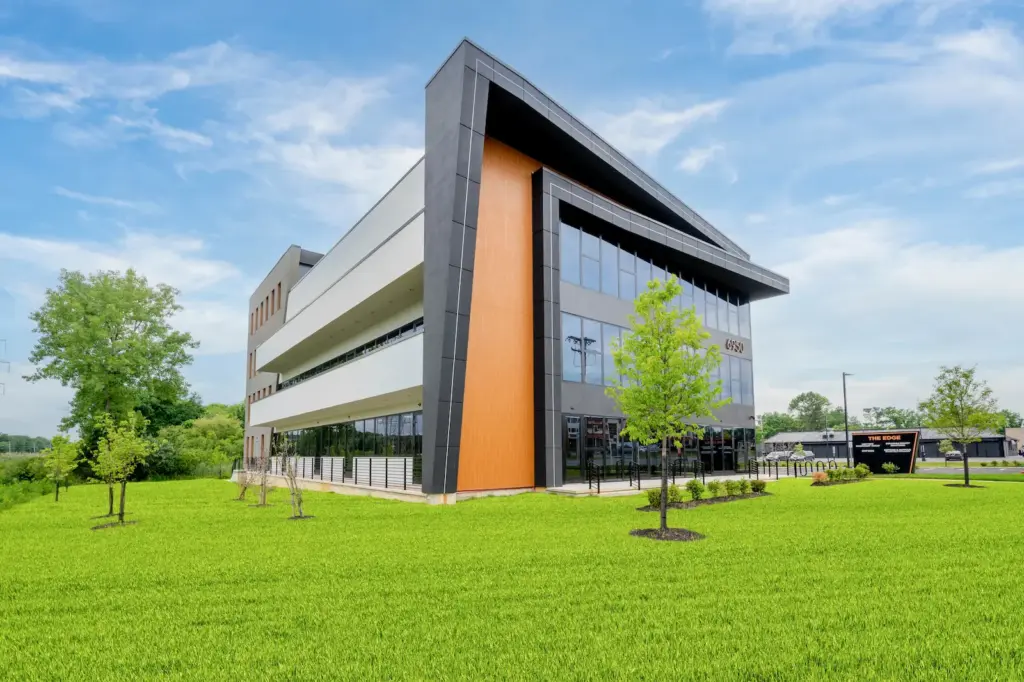
Projects from the studio related to this article.

Ready to put these ideas to work?
A quick, no-pressure conversation about your project, your budget, and what it will take to build it right.
Frequently asked
questions.
How should office design change for hybrid work?
The office has to be worth choosing on days people could stay home, so it should lean into what home cannot offer: collaboration space, focus rooms, hybrid-ready meeting rooms, and social and amenity areas that build culture. The design centers on the reasons people actually come in.
Can a smaller hybrid office feel better than a larger one?
Yes. Using less space well means flexible, reservable settings instead of empty assigned desks, and shared zones that flex from focus to collaboration. Designed right, a smaller footprint feels more generous than the bigger office it replaced and costs less to run.
Have a project like this in mind?