



Kosher restaurant design: from dairy cafés to flagship steakhouses

About HH Designers and our work in kosher restaurant design
For the kosher community, dining out is not an occasional treat — it is the whole social calendar. Date nights, motzei Shabbos with friends, Chol Hamoed outings with four generations at one table, sheva brachos, birthdays, the summer season at the shore: all of it runs through a handful of restaurants that the community claims as its own. That is what makes kosher restaurant design different. These are not just food businesses; they are the places where a community lives its best nights. The room carries more weight, the expectations run higher, and the diner deserves to feel — the moment they walk in — that this is the best restaurant in town, full stop, not the best restaurant they are allowed to eat in.
HH Designers has designed the Jersey Shore’s kosher dining scene end to end — from SALT Steakhouse, the fine-dining flagship in Pier Village, to Pēpe Kitchen, Bubbie’s Cafe, Miele Gelato, Very Juice and the boardwalk grill LBK. We design across both sides of the kosher table: the dairy world of cafés, pizza and brunch, and the meat world of steakhouses and grills. Each demands its own atmosphere, its own palette, and its own kind of hospitality — and we speak both fluently.

Two worlds, one community: dairy and meat
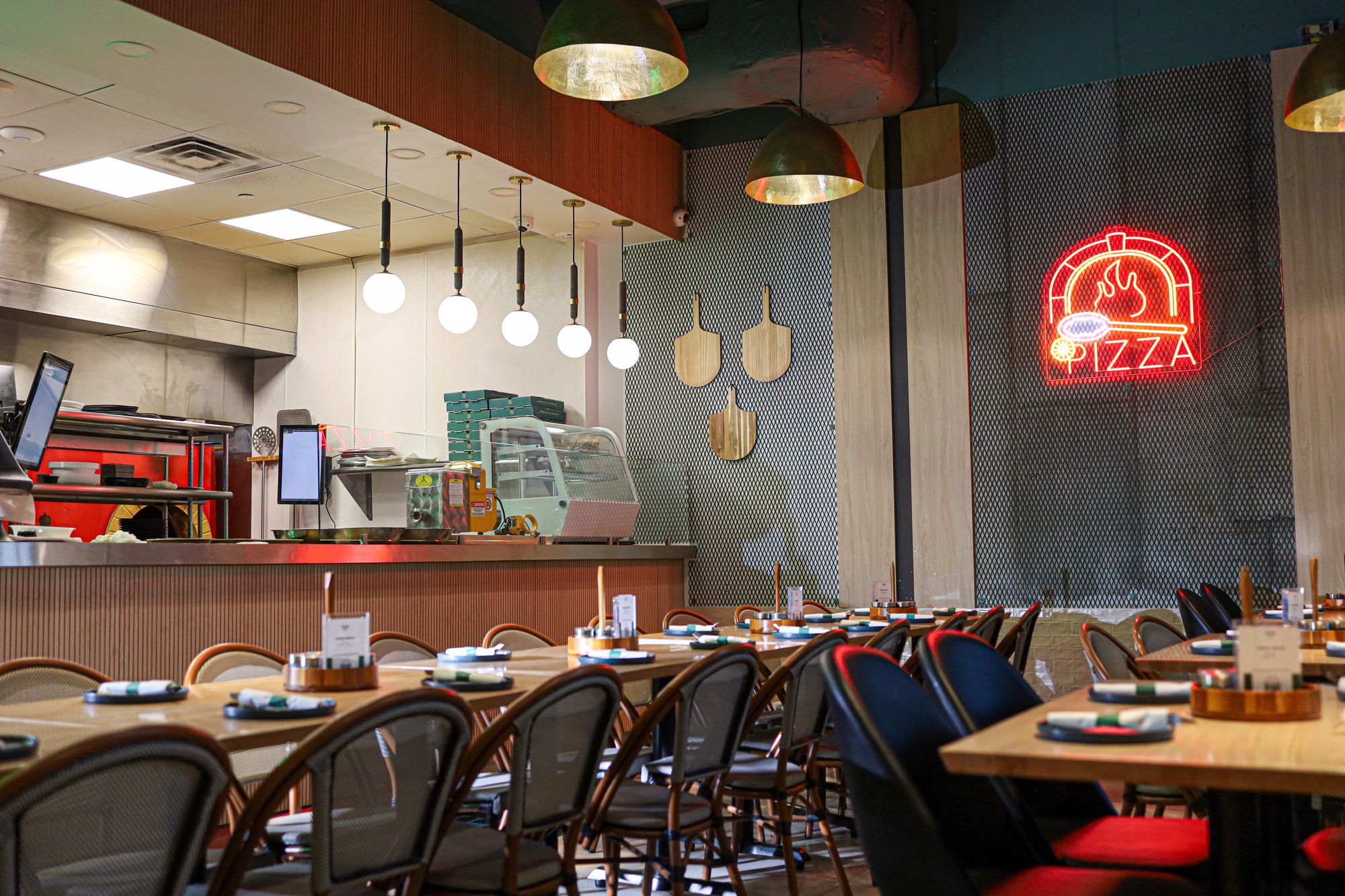
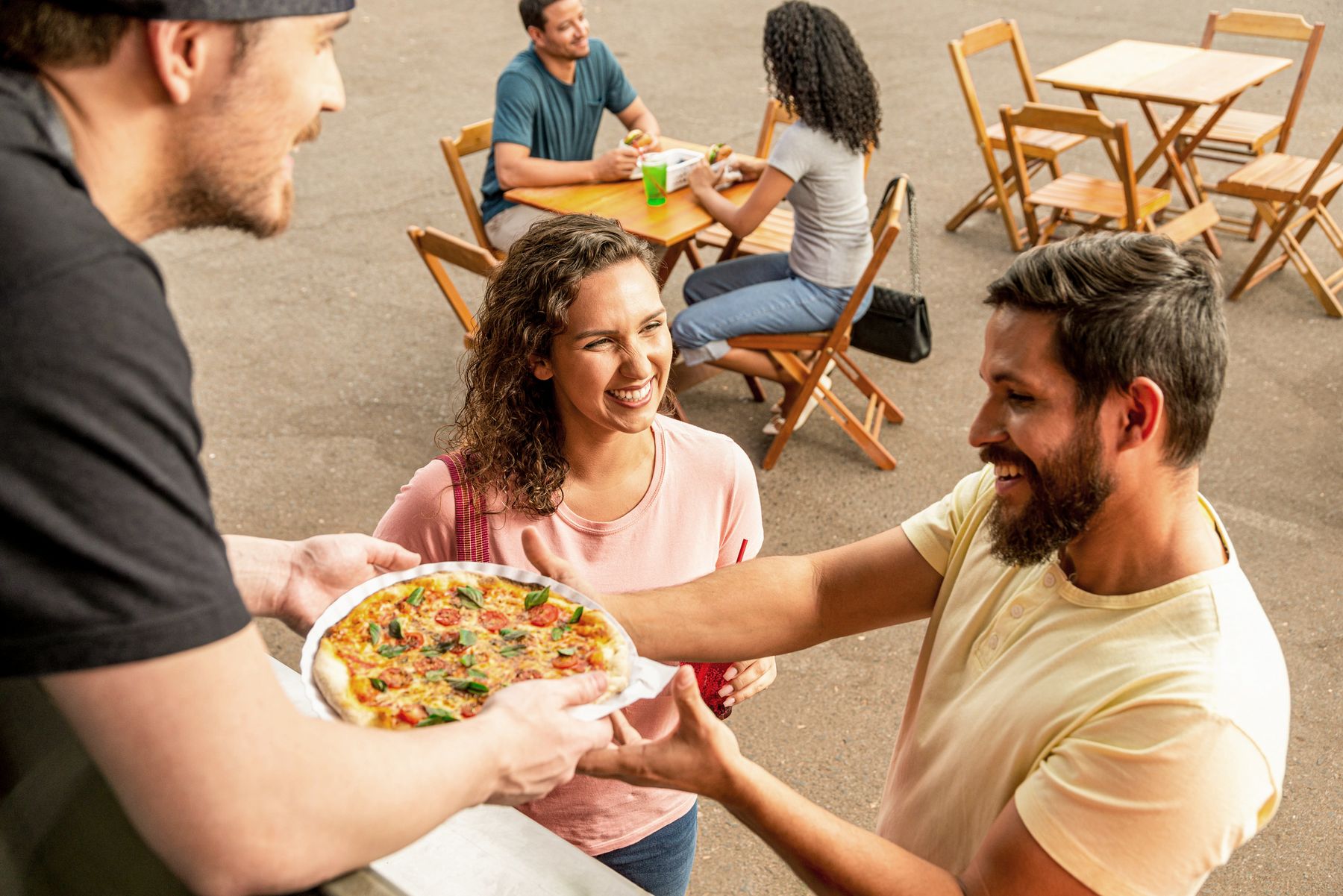
Kosher dining splits into two distinct restaurant cultures, and great kosher design treats them as such. The dairy restaurant — the milchig café, the pizza kitchen, the brunch spot, the gelato bar — lives in daylight. It is where families land after the beach, where mothers meet mid-morning, where kids celebrate the end of a school year. The design language is bright and easy: daylight palettes, durable seating that welcomes strollers and high chairs, counters that keep the energy casual, outdoor tables that stretch the season.
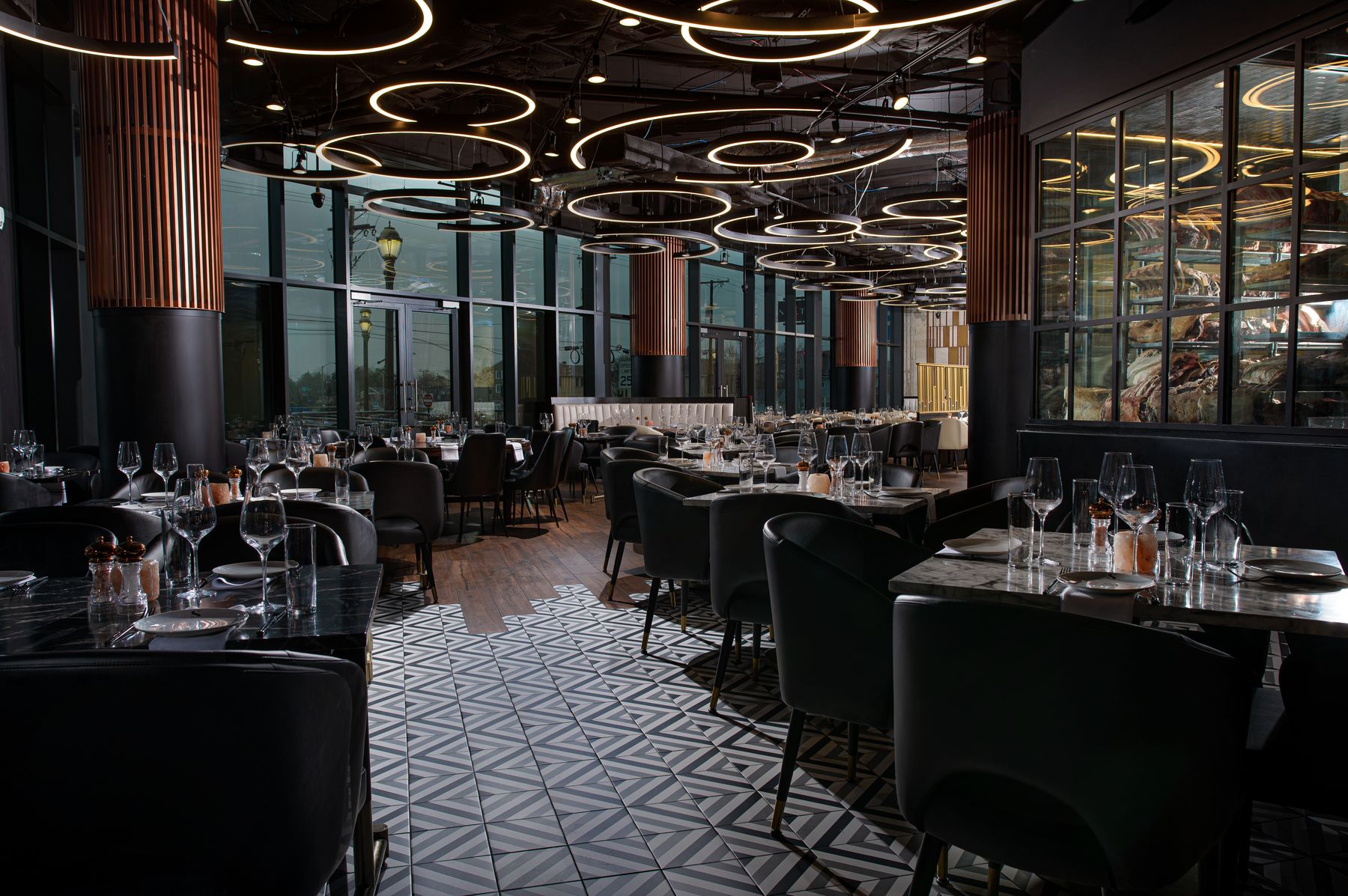
The meat restaurant is a different animal entirely. The steakhouse, the grill, the fine-dining room — this is evening territory: anniversaries, business dinners, the big family celebration. The design goes darker and richer — leather, stone, brass, layered lighting — and the room is built to make an entrance feel like an event. A firm that designs both worlds well gives an operator, and a community, a complete dining life. That is exactly the portfolio we have built.
Talk this through with the studio — no pressure, straight answers.
The meat side: steakhouses and grills that own the night
SALT Steakhouse is the proof case: a 10,000-square-foot kosher steakhouse and lounge steps from the beach, with a sculptural bar, the Herzog Wine Library private room, glass-enclosed private dining, and a 4.5-star rating across nearly 900 reviews. It competes — on the room alone — with any steakhouse in New Jersey, kosher or not. That is the standard the meat side deserves: dry-aged programs staged as theater, bars that hold their own as destinations, and private rooms built for the semachos that anchor community life. Our steakhouse design practice goes deep on this world, and LBK — the seasonal boardwalk grill — shows the same thinking translated to casual, high-volume summer service.
The dairy side: cafés, pizza, and the daytime crowd
Pēpe Kitchen carries the dairy flag two doors from SALT: Neapolitan pizza and house-made pasta in a room of French bistro chairs, pale oak, and a neon glow — “Rome sweet home,” a block from the Atlantic. Bubbie’s Cafe brings breakfast and coffee to the Wave Resort lobby; Miele Gelato and Very Juice round out the sweet-and-healthy end in Toms River. Dairy rooms succeed on warmth and ease: they have to welcome a family of eight on a Sunday, a study date on a Tuesday, and the Chol Hamoed crush — all without losing their looks. We design them to be photographed as much as any flagship, because for the kosher community the pizza place is not a fallback; it is a fixture.

Designed around the community’s calendar
A kosher restaurant lives on a rhythm no other restaurant shares. Motzei Shabbos brings a surge no Friday ever will. Chol Hamoed Sukkos and Pesach deliver theme-park crowds for a week straight. The summer season doubles a shore town’s population. Sheva brachos need a private room seven nights running; a bris books the whole front room on a Tuesday morning. We plan for this calendar the way we plan for multipurpose halls: flexible private dining that opens and closes, seating plans that flex from two-tops to family tables of fourteen, queueing and takeout flows for the peak nights, and sukkah-ready outdoor space where the site allows it.
Kashrus, handled quietly
The operational backbone — meat and dairy separation, supervision workflows, Pas Yisroel and Cholov Yisroel programs, Shabbos meal service like the one SALT runs every week — is real, and we design it fluently and invisibly. The guest never sees the machinery; the operator and the hashgacha get a back-of-house that works the way the certificate requires. It is the same discipline we bring to every restaurant we design: the systems recede, the experience leads.
From first venue to a full scene
The Jersey Shore story shows what happens when design keeps pace with ambition: one flagship steakhouse became a gourmet market, an Italian kitchen, a café, and a boardwalk grill — a complete kosher dining scene with one design language and five different personalities. Wherever your community is — the Five Towns, Monsey, Lakewood, Boca Raton, Los Angeles — that is the arc we design for: not just a restaurant, but the place a community makes its own. See how we price and phase this work in our restaurant cost guide, or start with a conversation.
Selected work
A few relevant projects from the portfolio.

Planning a project like this?
Tell us what you’re building. We’ll bring relevant work, a clear process, and straight answers on budget and timeline.
Talk this through with the studio — no pressure, straight answers.
Frequently asked
questions.
Does HH Designers design both dairy and meat kosher restaurants?
Yes — and we treat them as the two distinct worlds they are. Our meat-side work runs from SALT Steakhouse, the fine-dining flagship in Pier Village, to LBK, the seasonal boardwalk grill. The dairy side includes Pēpe Kitchen’s Neapolitan pizza room, Bubbie’s Cafe, Miele Gelato, and Very Juice. Each side gets its own atmosphere — daylight ease for dairy, evening richness for meat — so a community ends up with a complete dining life, not one look repeated.
What makes designing for the kosher community different?
The stakes. For kosher diners, a handful of restaurants carry the entire going-out culture — date nights, motzei Shabbos, Chol Hamoed, sheva brachos, the summer season. Tables run larger, private rooms work harder, and the calendar surges in ways no non-kosher restaurant experiences. We design for those realities: flexible private dining, family-scale seating, peak-night flow, and rooms beautiful enough that the community feels it is getting the best restaurant in town — because it is.
Which kosher restaurants has HH Designers completed?
SALT Steakhouse (10,000 sq ft, Pier Village, Long Branch — a full case study is on this site), Pēpe Kitchen next door, Bubbie’s Cafe in the Wave Resort lobby, LBK on the boardwalk, and Pizza Long Branch, plus Miele Gelato and Very Juice in Toms River. Together they form a complete kosher dining scene designed end to end by one firm — which we believe is unmatched in the category.
Can a kosher restaurant host sheva brachos and private events?
It should be designed to — semachos are a kosher restaurant’s most valuable bookings. At SALT, the Herzog Wine Library and the glass-enclosed private dining room carry sheva brachos, business dinners, and family celebrations without closing the main room. We plan private dining that opens for the big night and disappears into the everyday floor plan the rest of the week.
How does a restaurant serve meals on Shabbos?
Through pre-arranged Shabbos programs like the one SALT runs weekly: meals reserved and paid before Shabbos, service planned so no transactions occur, and staffing and warming logistics built into the kitchen and service design from day one. It is one of the highest-loyalty programs a kosher restaurant can offer — resort guests and locals build their Shabbos around it — and the design has to make it effortless.
Do you handle kashrus requirements like separation and supervision?
Fluently and quietly. Meat/dairy separation, mashgiach workflow, Pas Yisroel and Cholov Yisroel operations, and hashgacha requirements (SALT and Pēpe operate under the JSOR) are engineered into the back of house so guests never feel the machinery. We coordinate directly with the certifying agency during design so the certificate and the construction documents agree before anything is built.
Does kosher make restaurant design more expensive?
The back of house typically carries a premium — duplicated zones and equipment for separation, and program-specific infrastructure — but the front of house costs what any great restaurant costs. Our position: spend the premium where the certificate demands it, and never let it thin out the guest experience. The kosher diner is the most loyal repeat customer in hospitality; the room should reward that loyalty.